
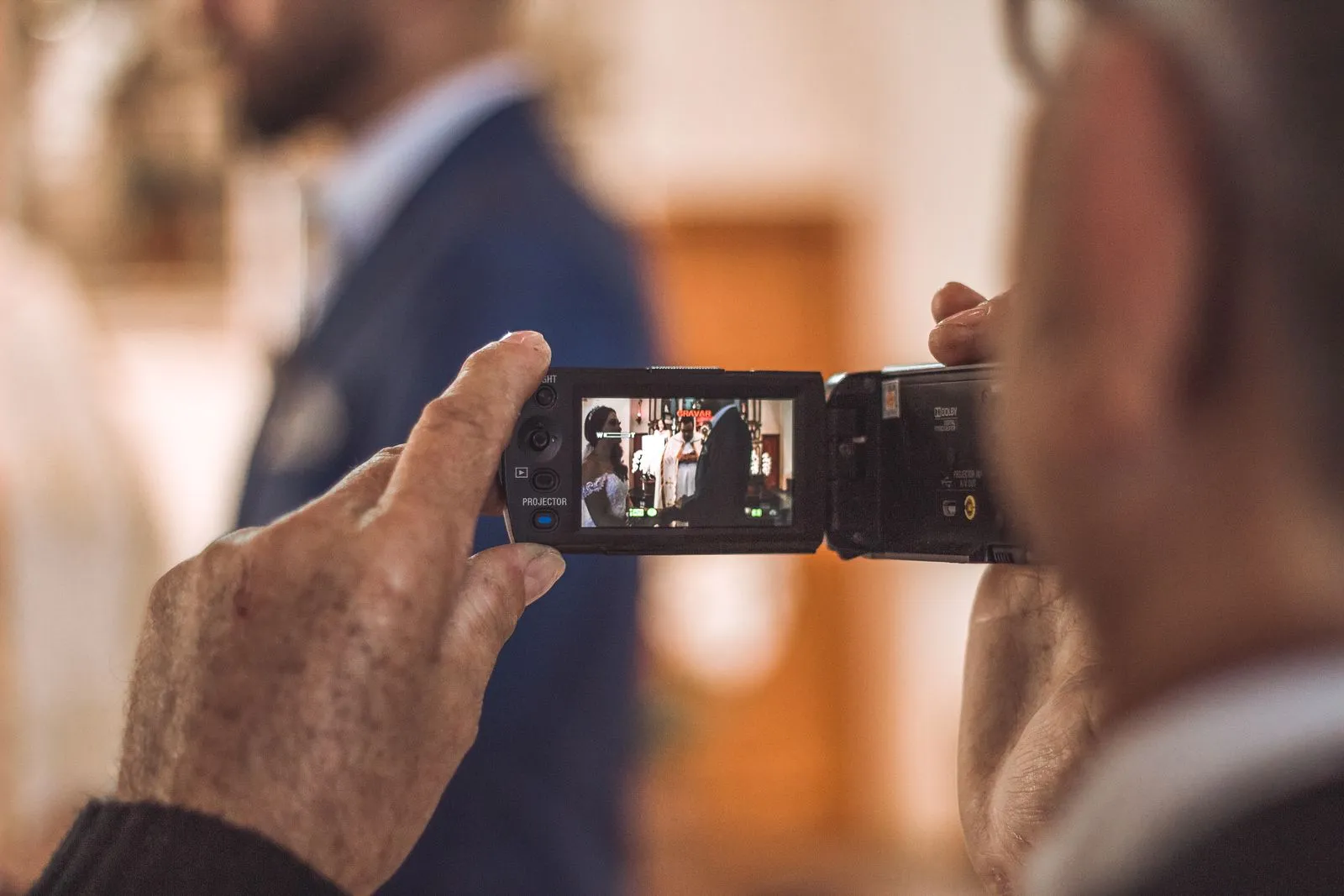
Thoughtful wedding film coverage starts with more than choosing a number of hours. It means deciding which moments matter most, giving your videographer a workable schedule, and understanding how your venue may shape filming. A little planning helps protect time for meaningful scenes without making the day feel staged. Use this guide to set priorities, coordinate key details, and build a coverage plan that reflects how you want to remember your wedding.
Choose Your Essential Moments
Begin by listing the moments you would be disappointed not to see in your film. Many couples prioritize the ceremony, personal vows, speeches, first dance, and time with family. You may also want quieter scenes, such as getting ready with a parent or a private moment together after the ceremony. Rank your priorities so your videographer can focus on what matters most if the schedule changes.
Think about how you want the film to feel, not just which events it should include. If candid interactions matter to you, leave room for the videographer to capture guests greeting one another and natural reactions. If certain people or traditions are especially important, share their names and context in advance. This helps the crew recognize meaningful moments without needing to interrupt them for explanations.
Match Coverage to Your Timeline
Share a detailed timeline that includes locations, travel, setup, and the expected start of each event. Note when guests arrive, when the ceremony begins, and when speeches or dances are planned. Build in realistic transition time between locations. A schedule that accounts for walking, traffic, and room changes gives your videographer a better chance to be ready before important moments begin.
Decide when coverage should start by working backward from the scenes you want. If getting-ready footage is a priority, allow enough time for details and interactions before the ceremony. If you want the reception entrance and final dance, confirm that coverage extends through those events. Ask your videographer what can fit within the planned hours, and clarify any breaks or travel time that affect the schedule.
Plan for Your Venue
Every venue has its own filming conditions. Ask about rules for cameras, tripods, lighting, and movement during the ceremony. Some spaces limit where vendors can stand, while others have low light, reflective surfaces, or narrow aisles. Share the venue’s requirements with your videographer early, and arrange a site visit or walkthrough when the layout may affect camera placement.
Consider how guests and vendors will move through the space. Tell your videographer about room changes, outdoor-to-indoor transitions, and any areas with restricted access. For an outdoor ceremony, discuss a backup plan for rain, wind, or harsh sun. If your ceremony or reception takes place at multiple locations, provide addresses and realistic travel estimates so coverage does not lose time to avoidable confusion.
Coordinate the People Involved
Give your planner, photographer, and videographer the same final timeline and contact details for the people coordinating the day. Ask them to confirm how they will work around one another during key moments, especially the ceremony, portraits, and speeches. A brief conversation before the wedding can prevent blocked views and reduce the need for vendors to reposition while important events are underway.
Prepare a concise shot-priority list rather than trying to script every scene. Include family members who should appear, important traditions, and any details with personal meaning. Share pronunciation notes or relevant context where helpful. If you have a preference about being directed or filmed candidly, explain it clearly so the crew can work in a way that feels comfortable and unobtrusive.
A strong coverage plan gives your videographer clear priorities, a realistic timeline, and the information needed to work smoothly at your venue. Review the schedule together before the wedding and update the team if plans change. Cambridge Wedding Films can help you discuss coverage options and shape a plan around the moments you most want to remember.