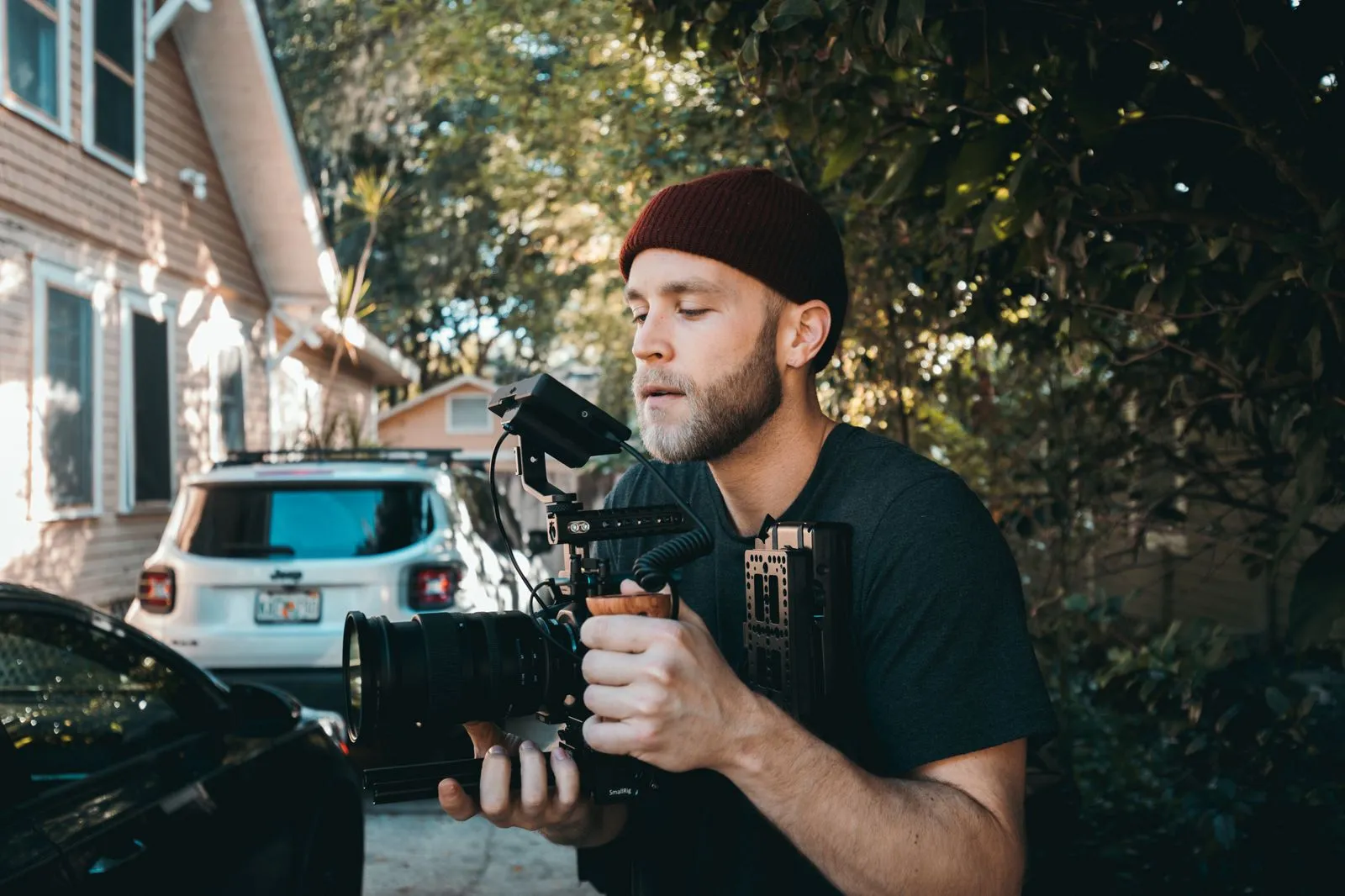
A wedding film brings movement, voices, music, and small moments together in a way photographs cannot. Knowing how the process works can help you feel prepared and make choices that suit your day. Typically, it begins with a planning conversation, continues with unobtrusive filming, and ends with a carefully edited film delivered in a format you can revisit and share. Here’s what couples can expect at each stage.
Before the Wedding
Planning starts with a conversation about your priorities, schedule, and the atmosphere you want the film to capture. Share the moments that matter most, such as personal vows, a family tradition, or a particular dance. Your videographer can use this information to understand what to watch for and how to coordinate coverage with your photographer and planner.
As the date approaches, review the timeline together. Note locations, travel between venues, ceremony restrictions, and any surprises you want kept private. Ask how the team handles low light, audio, and unexpected schedule changes. Clear details in advance help the videographer prepare without adding extra tasks to your wedding day.
Filming on the Day
Coverage often includes preparations, the ceremony, portraits or venue details, and parts of the reception. The exact plan depends on your priorities and chosen coverage. A thoughtful videographer works with the flow of the day, positioning equipment carefully and avoiding unnecessary interruptions so you and your guests can stay present.
Audio is an important part of the experience. Your videographer may record vows, readings, speeches, and ambient sound using discreet microphones or other equipment. Some moments may happen outside the planned schedule, so share any meaningful traditions or key participants beforehand. You do not need to perform for the camera; natural interactions usually make the most personal scenes.
Editing the Film
After the wedding, the editor reviews the footage, selects meaningful moments, and shapes them into a clear story. Editing can include color adjustments, sound balancing, music, and transitions between scenes. The goal is to create a film that feels cohesive rather than simply presenting every recorded moment in chronological order.
The finished film may have a different length and format depending on your agreement with the videographer. Before booking, confirm what is included, whether you will receive a highlight film or longer edit, and how revision requests work. Editing takes time because the footage needs careful review and refinement; ask for the expected delivery window in writing.
Delivery and Keeping Your Film
Your films are commonly delivered through an online gallery or private viewing link. Check whether the delivery includes downloadable files, how long the link remains active, and whether you can share it with family. If you want a specific version for social media or a longer cut of the ceremony, confirm availability before the wedding rather than assuming it is included.
Once you receive the film, download the files and keep more than one copy. Save them in separate places, such as a computer and an external drive or secure cloud storage. Review the gallery while the link is active, and make a backup before sharing it. Cambridge Wedding Films can explain its delivery options and what to expect for your collection.
A smooth wedding film experience comes from clear priorities, a realistic timeline, and knowing what your package includes. Discuss coverage, audio, editing, delivery, and backups before you book, then let the day unfold naturally. If you are planning a Cambridge wedding, ask your videographer about the process and choose coverage that fits the moments you most want to remember.